Buying It Back: How Independent Filmmakers Are Reclaiming Their Work from the Studios That Bought It
There is a particular kind of grief that independent filmmakers rarely speak about publicly — the grief of watching something they built, frame by frame and dollar by dollar, disappear behind a corporate curtain. An acquisition is supposed to be a triumph. In the popular imagination, it is the moment the world finally recognizes what the filmmaker always knew. In practice, it can be the moment the filmmaker loses the very thing they were celebrated for making.
But something is shifting. Quietly and incrementally, a cohort of independent directors, producers, and writer-directors is finding its way back — reclaiming rights, renegotiating terms, and in some cases purchasing their own films outright from the entities that once held them. This is not yet a movement with a manifesto. It is, for now, a pattern: a series of individual reckonings that, taken together, suggest a fundamental reassessment of what it means to sell.
The Anatomy of an Acquisition Gone Wrong
To understand why filmmakers are fighting to reclaim their work, one must first understand what an acquisition actually transfers. When a studio or platform purchases an independent film, it is not merely buying a finished product. It is acquiring distribution rights, often for specific territories and windows, and in many cases, it is acquiring the right to determine how — and whether — that film reaches an audience at all.
This is the clause that haunts. A streamer may purchase a documentary with apparent enthusiasm and then shelve it indefinitely, either because internal priorities shifted or because the content no longer serves the platform's algorithmic interests. A studio may acquire a feature film and bury it in a release calendar crowded with tentpole productions. In both scenarios, the filmmaker is left in a peculiar limbo: their work exists, it has been seen and valued, and yet it is effectively invisible.
The legal architecture of these deals is rarely designed with the filmmaker's long-term interests in mind. Rights reversion clauses — provisions that return ownership to the original creator if the distributor fails to exploit the work within a defined period — exist in some contracts but are often negotiated away in the excitement of a sale. Without them, filmmakers have little formal recourse.
The Legal Playbook Emerging from the Margins
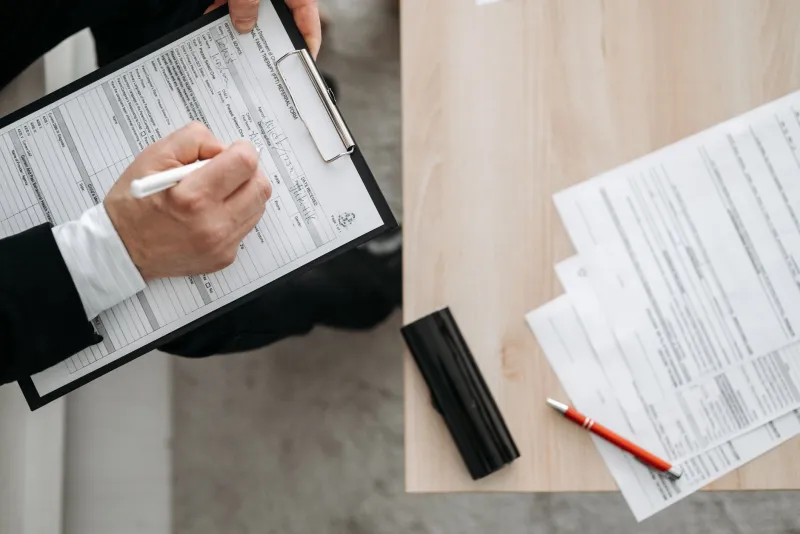
Entertainment attorneys who specialize in independent film have begun documenting a set of strategies that filmmakers are deploying with increasing sophistication. The first involves what some practitioners call a "reversion audit" — a systematic review of existing contracts to identify any dormant clauses, lapsed exclusivity windows, or unfulfilled distributor obligations that might create a legal opening for rights recovery.
In several documented cases, filmmakers have discovered that their distributors failed to meet minimum release requirements — a specified number of theatrical screens, for instance, or a contractually obligated marketing spend. These failures, when properly identified, can constitute a breach that opens the door to renegotiation or, in more favorable circumstances, outright reversion.
A second strategy involves buybacks — direct financial transactions in which the filmmaker, often backed by a new production partner, investor, or crowdfunding campaign, purchases the rights back from the current holder. This approach requires capital that many independent filmmakers do not have readily available, but it has become more viable as alternative financing structures — including fiscal sponsorship arrangements and revenue-based financing models — have grown more accessible within the independent sector.
Perhaps most intriguingly, a third approach has emerged through what might be called relationship leverage. When a filmmaker's subsequent work attracts significant attention, they occasionally find themselves in a stronger negotiating position with a distributor who holds their earlier catalog. The distributor, interested in maintaining a relationship with a now-valuable creative talent, may agree to return rights to older work as part of a broader deal. It is not an elegant solution, but it is a real one.
What Artistic Compromise Actually Costs
Beyond the legal and financial dimensions, there is a subtler conversation happening — one about what filmmakers surrendered artistically in the original transaction and whether that loss can ever be fully recovered.
Acquisitions frequently come with conditions. A streaming platform may require re-edits to conform to its content standards. A studio may insist on a different ending, a modified title, or the removal of sequences deemed commercially inconvenient. These alterations are not always disclosed to audiences, who encounter what they believe to be the filmmaker's intended work but are in fact experiencing a version shaped by institutional interests.
When filmmakers reclaim their work, they sometimes discover that the version they are recovering is not the version they originally made. Restoring a film to its original cut — if the materials still exist and if the filmmaker retains any claim over them — can require an additional layer of negotiation that the initial rights reversion did not anticipate.
This is the sting beneath the sweetness of recovery. Reclaiming ownership does not automatically mean reclaiming the film itself.
A Structural Problem Wearing a Contractual Mask
What this trend ultimately exposes is not simply a series of bad deals. It is a structural imbalance that has long defined the relationship between independent creators and the institutions that distribute their work. The acquisition model, as it has historically operated, places the filmmaker in a position of acute vulnerability at precisely the moment when they are most emotionally and financially invested in their project.
Festivals amplify this vulnerability. A premiere at Sundance or Tribeca creates a compressed marketplace in which bidding wars unfold over days rather than months. Filmmakers, often exhausted from the production process and dazzled by the attention, sign agreements that they may not fully understand and that their representation may not have had adequate time to scrutinize.
The filmmakers who have successfully reclaimed their work tend to share a common characteristic: they sought counsel early, built reversion protections into their original agreements where possible, and maintained meticulous records of how their distributors performed against their contractual obligations. These are not glamorous preparations. They are the unglamorous infrastructure of creative survival.
The Larger Signal
The fact that filmmakers are fighting to reclaim their work at all is a signal worth taking seriously. It suggests that the terms of independent film distribution — terms that have been largely normalized over decades — are increasingly being recognized as inadequate to the creative and economic realities of the people who produce the work.
It also suggests something more hopeful: that independent filmmakers are becoming more sophisticated advocates for their own interests. The filmmaker who understands a reversion clause is a different kind of negotiating partner than the filmmaker who does not. The director who has watched a peer successfully buy back their film is a director who knows that the signature on an acquisition agreement need not be the last word.
For an industry that prides itself on telling stories about resilience, independence, and the refusal to be silenced, it is fitting that its practitioners are increasingly applying those same qualities to the business of protecting their own work. The camera, it turns out, is not the only instrument that requires a steady hand.