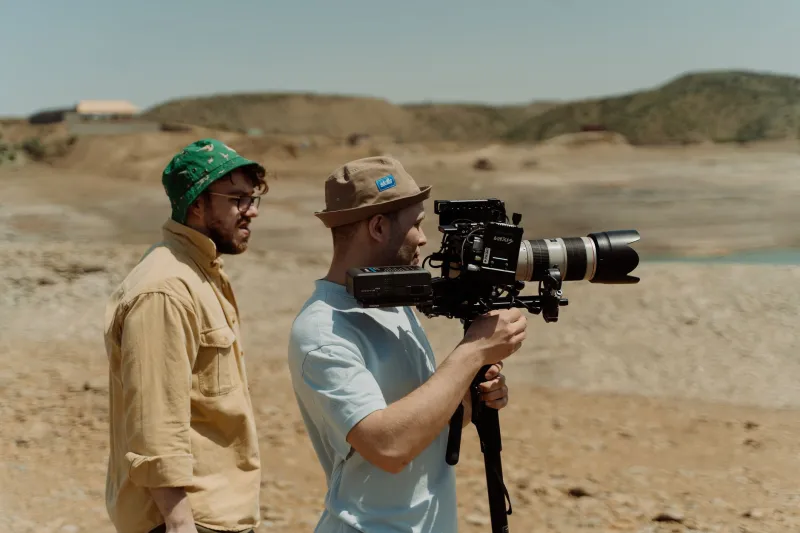
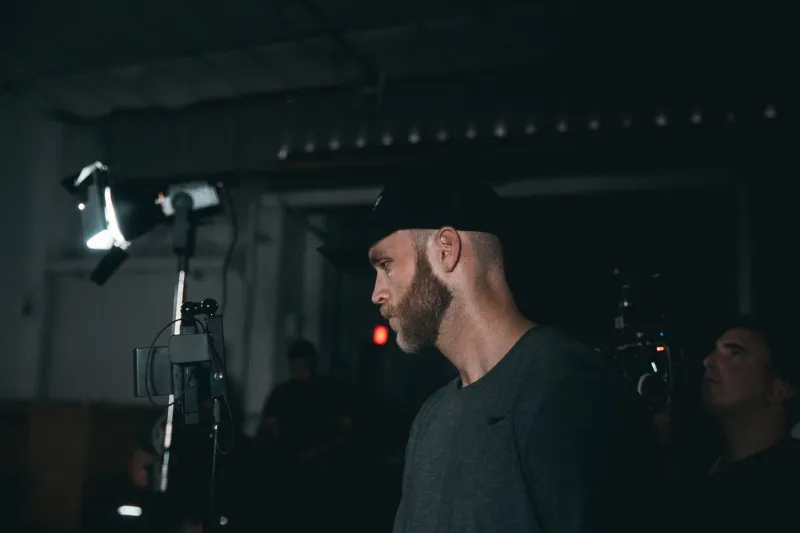
From the Wound Outward: How Independent Filmmakers Are Transforming Private Pain Into Shared Truth
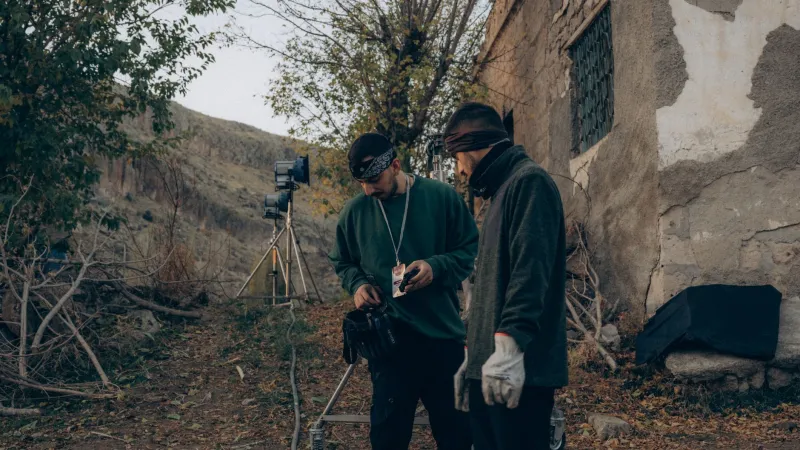
For a growing number of independent filmmakers, the most powerful creative resource they possess is not a camera, a crew, or a production budget — it is the accumulated weight of their own suffering. Across the American independent film landscape, directors are discovering that the deliberate excavation of personal trauma yields stories with a rare and durable resonance. The question is not whether the pain is worth telling, but whether the filmmaker has the courage and the craft to tell it honestly.
There is something almost paradoxical at work here. The very conditions that constrain independent production — limited finances, skeletal crews, no studio infrastructure to soften difficult decisions — appear to function as a kind of creative pressure valve. When there is no budget to manufacture spectacle, filmmakers are compelled to reach inward. What emerges from that compulsion is frequently more affecting than anything a larger production could engineer.
The Architecture of Autobiography
The act of transforming lived experience into narrative film is neither simple nor automatic. It requires a filmmaker to perform two contradictory tasks simultaneously: to remain emotionally close enough to the source material that its authenticity survives translation, and to achieve sufficient distance that the work transcends the personal and speaks to strangers.
Directors who have navigated this tension describe the process as a form of controlled excavation. The raw material — grief, estrangement, illness, violence, identity fracture — must be handled with enough structural discipline that it becomes story rather than confession. The distinction matters enormously. Confession invites sympathy. Story invites recognition. And recognition, for an independent filmmaker working without a marketing apparatus, is the only currency that truly travels.
Emerging directors working in this mode often speak of a specific creative threshold: the moment when a deeply personal experience stops feeling like their own and begins to feel like something that belongs to the audience. That threshold is not easily identified in advance. It reveals itself in screenings, in the particular quality of silence that settles over a room when something true has been witnessed.
Constraint as Catalyst
The financial realities of independent filmmaking are frequently discussed as obstacles. They are also, less frequently acknowledged, instruments of authenticity. When a production cannot afford elaborate set design, visual storytelling must lean on performance. When a crew is small and shooting schedules are compressed, there is little room for the kind of protective artifice that larger productions routinely deploy.
This enforced directness has a measurable effect on how personal material registers on screen. A filmmaker shooting a semi-autobiographical story about addiction recovery in a real apartment, with available light and a two-person crew, is making different creative decisions than one working on a studio soundstage with a lighting package and a director of photography whose primary job is to make everything beautiful. Neither approach is inherently superior. But the former tends to produce a texture — a roughness, an unguarded quality — that audiences conditioned by decades of polished studio product find startling and, often, deeply moving.
Several independent directors working on grief narratives have noted that their inability to afford reshoots forced them to keep takes that a more resourced production would have discarded — takes in which an actor's composure genuinely falters, or in which the camera catches something unplanned and unscripted. These moments, born of limitation, frequently become the emotional center of the finished film.
The Psychological Cost of the Work
To speak of personal trauma as creative resource is also to acknowledge that the resource is not inert. It responds to being handled. Filmmakers who have made work rooted in their own hardship describe the production process in terms that overlap significantly with therapeutic language — not because filmmaking is therapy, but because the sustained engagement with painful material produces its own psychological weather.
The distinction, as many of these directors are careful to articulate, is one of intention and control. In therapeutic work, the goal is healing. In filmmaking, the goal is the film. The filmmaker's psychological state is a factor in the work's creation, but it is not the work's subject — even when the work is autobiographical. Maintaining that distinction, particularly under the pressures of low-budget production, requires a specific kind of discipline that is rarely discussed in the practical literature of independent cinema.
There is also the question of what happens after the film is finished and begins to circulate. When a filmmaker has drawn on intimate suffering to create a work, the audience's response to that work arrives as something more charged than ordinary critical feedback. Praise feels like validation of the pain itself. Dismissal can feel like a second wound. Learning to receive both with equanimity is part of the long education that independent filmmaking requires.
Universality Through Specificity
One of the more counterintuitive lessons that emerges from studying this body of work is that the path to universal resonance runs directly through the specific and the particular. A film about a filmmaker's own mother's death from a specific illness, set in a specific house in a specific American city, with a specific texture of family dysfunction, tends to reach more viewers more deeply than a film about grief conceived in general terms.
This principle — that the universal is accessed through the granular — is well established in literary fiction. Its application in independent cinema is somewhat newer, or at least more consciously articulated. Filmmakers who have worked in this mode describe the experience of watching audiences respond to details they assumed were too private or too regional to travel. A particular piece of furniture. A specific regional accent. The way light falls in a certain kind of American kitchen at a certain time of morning. These details, far from alienating viewers who do not share the filmmaker's background, appear to function as anchors of credibility that allow emotional identification to occur.
The specificity signals that the filmmaker is not generalizing, not reaching for safe universals, not softening the edges of the experience for palatability. It signals, in other words, that the story is real. And audiences, wherever they encounter it, respond to that signal with a recognition that crosses every demographic boundary the film industry habitually uses to categorize them.
The Ongoing Negotiation
For independent filmmakers working in this territory, the creative process is never fully resolved. Each new project reopens the fundamental questions: How much of the self can be offered to the work without the work becoming self-indulgent? At what point does personal authenticity become a form of withholding — a refusal to do the transformative work that turns experience into art?
These questions do not have fixed answers. They are negotiated afresh in every project, and the negotiation itself is part of what makes independent cinema, at its best, a living form. The filmmakers who are doing this work most honestly are not those who have solved the problem but those who remain genuinely unsettled by it — who understand that the tension between the personal and the universal is not an obstacle to be overcome but the very engine that keeps the work alive.
In an industry that often rewards the polished and the predictable, there is something quietly radical about a filmmaker who insists on returning, again and again, to the wound — not to display it, but to understand it, and in understanding it, to offer something of lasting value to the strangers who will eventually sit in the dark and watch.